Claim Your Flexible Financing
Building Your Dream Sea House: Step-by-Step Guide to Coastal Construction in Texas
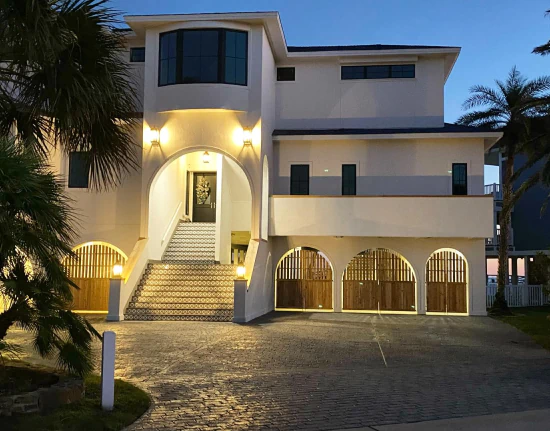
Understanding Coastal Construction Requirements
Building along the Gulf Coast means navigating a complex web of regulations designed to protect both your investment and the community. In Galveston, every coastal home must meet strict elevation requirements based on FEMA flood zone designations, often requiring the first habitable floor to sit 10 to 15 feet above grade.
Beyond elevation, Texas coastal construction codes mandate specific wind ratings for windows, doors, and roofing systems. Hurricane-rated materials aren’t just recommendations in this part of the state; they’re requirements that can make the difference between a home that survives a storm and one that doesn’t. Understanding these standards before you break ground will save you costly redesigns and permit delays down the line.
Working with a local construction service that knows Galveston’s permitting process inside and out streamlines what can otherwise be a frustrating maze of inspections and approvals. The right team will help you understand not just what’s required, but why each regulation exists and how to exceed minimum standards for true long-term durability.
Choosing the Right Location and Foundation
Location determines everything in coastal construction. Sites closer to the waterline offer stunning views but face stricter setback requirements, higher insurance costs, and more aggressive environmental exposure. The East End Historic District and areas along Offats Bayou each present unique opportunities and challenges that affect both your building budget and long-term maintenance costs.
Foundation engineering for a sea house goes far beyond what inland construction requires. Most Galveston coastal homes rely on deep driven pilings, steel-reinforced concrete columns that extend 20 to 40 feet below the surface to anchor your home against both hurricane winds and soil erosion. The spacing, diameter, and depth of these pilings must be calculated based on your specific soil conditions and the weight of your planned structure.
Soil testing and engineering surveys aren’t optional steps; they’re essential investments that prevent catastrophic foundation failures years down the road. Salt intrusion, shifting sand, and tidal influence create subsurface conditions that vary dramatically even within a single neighborhood. A custom construction service with Galveston experience will know which engineers to trust and how to interpret their recommendations for your specific site.
Don’t underestimate the impact of drainage and grading around your foundation. Proper site preparation channels water away from your pilings and prevents the pooling that accelerates corrosion and attracts pests. These details, often invisible in the finished home, form the literal groundwork of a sea house that will stand strong for generations.
Selecting Materials That Survive Salt and Storms
Material selection for coastal homes in Texas requires a different mindset than inland building. Salt air corrodes standard fasteners, hinges, and fixtures within months; untreated wood rots; and cheap siding literally peels away under the relentless sun and humidity. Every surface exposed to the elements needs to be specified with marine-grade durability in mind.
Roofing is your first line of defense against hurricanes. Impact-resistant shingles rated for 130+ mph winds, metal roofing with concealed fasteners, or tile systems with reinforced attachment all offer superior protection compared to standard three-tab shingles. The extra investment in your roof pays dividends every storm season and typically reduces your insurance premiums enough to offset much of the upfront cost.
For exterior siding and trim, fiber cement boards, engineered wood products with factory-applied finishes, and marine-grade vinyl outlast traditional materials by decades in coastal environments. Stainless steel or hot-dipped galvanized fasteners prevent the rust stains that mar so many beachfront homes within their first few years.
Windows and doors need special attention in coastal construction. Impact-rated glass, reinforced frames, and corrosion-resistant hardware aren’t luxuries in Galveston; they’re necessities that protect your family and your belongings when the next big storm rolls in from the Gulf. An exterior remodeling service with coastal experience can show you exactly which products stand up to the salt spray and which ones fail prematurely despite manufacturer claims.
Designing for the Coastal Lifestyle
A well-designed sea house embraces indoor-outdoor living while managing the practical realities of sand, salt, and humidity. Generous covered porches and decks extend your living space and take advantage of Gulf breezes, but they need proper drainage, corrosion-resistant fasteners, and materials that won’t splinter, warp, or rot in the marine environment.
Deck installation service for coastal homes requires specialized knowledge. Composite decking with hidden fastening systems, aluminum railings, and stainless steel hardware create outdoor spaces that require minimal maintenance and stand up to salt spray year after year. Proper ventilation underneath elevated decks prevents moisture buildup that leads to mold and structural decay.
Interior layouts should account for the sand that inevitably finds its way inside. Durable tile or luxury vinyl flooring in entry areas, mudrooms with outdoor shower access, and plenty of storage for beach gear make daily life easier and protect your investment in interior finishes. Open floor plans maximize natural light and capture cross-breezes, reducing your reliance on air conditioning in the humid summer months.
Kitchen and bathroom remodeling service choices for sea houses need to balance style with durability. Marine-grade plywood for cabinets, solid surface or quartz countertops that resist moisture and salt damage, and fixtures with corrosion-resistant finishes will maintain their beauty while standard materials deteriorate. Proper ventilation in bathrooms and kitchens is especially critical in humid coastal environments where inadequate airflow leads to mold problems within the walls.
Working with the Right Construction Partner
The difference between a successful coastal build and a troubled project often comes down to your choice of construction partner. Building a sea house in Galveston requires specific knowledge that general contractors from inland areas simply don’t possess. Understanding local soil conditions, knowing which suppliers stock truly marine-grade materials, and having established relationships with inspectors and permitting officials can shave months off your timeline and prevent costly mistakes.
Look for a custom construction service with a portfolio of completed coastal projects you can visit and inspect. Ask about their experience with storm damage, how they handle the logistics of building in flood zones, and what measures they take to protect your project during hurricane season. A contractor who has weathered multiple storm seasons in Galveston will build differently than one who is learning on your project.
Communication and transparency throughout the building process matter enormously when you’re investing in a sea house. Coastal construction involves unique challenges that will arise during the build; your contractor should explain these issues clearly and present solutions based on experience rather than guesswork. Regular updates, detailed documentation, and a willingness to walk you through decisions help ensure the finished home matches your vision.
At Sea house construction, we’ve spent years refining our approach to coastal building in Galveston and across the Gulf Coast. We understand the engineering requirements, the material choices that truly perform in marine environments, and the permitting process that can frustrate builders unfamiliar with coastal regulations. Whether you’re planning a custom sea house from the ground up or considering an interior remodeling contractor for an existing coastal property, we bring the local knowledge and proven methods that protect your investment and deliver the waterfront retreat you’ve envisioned. Contact us to discuss your coastal construction project and learn how we can guide you through every step of building your dream sea house.